
By Hair by Evie Rauber
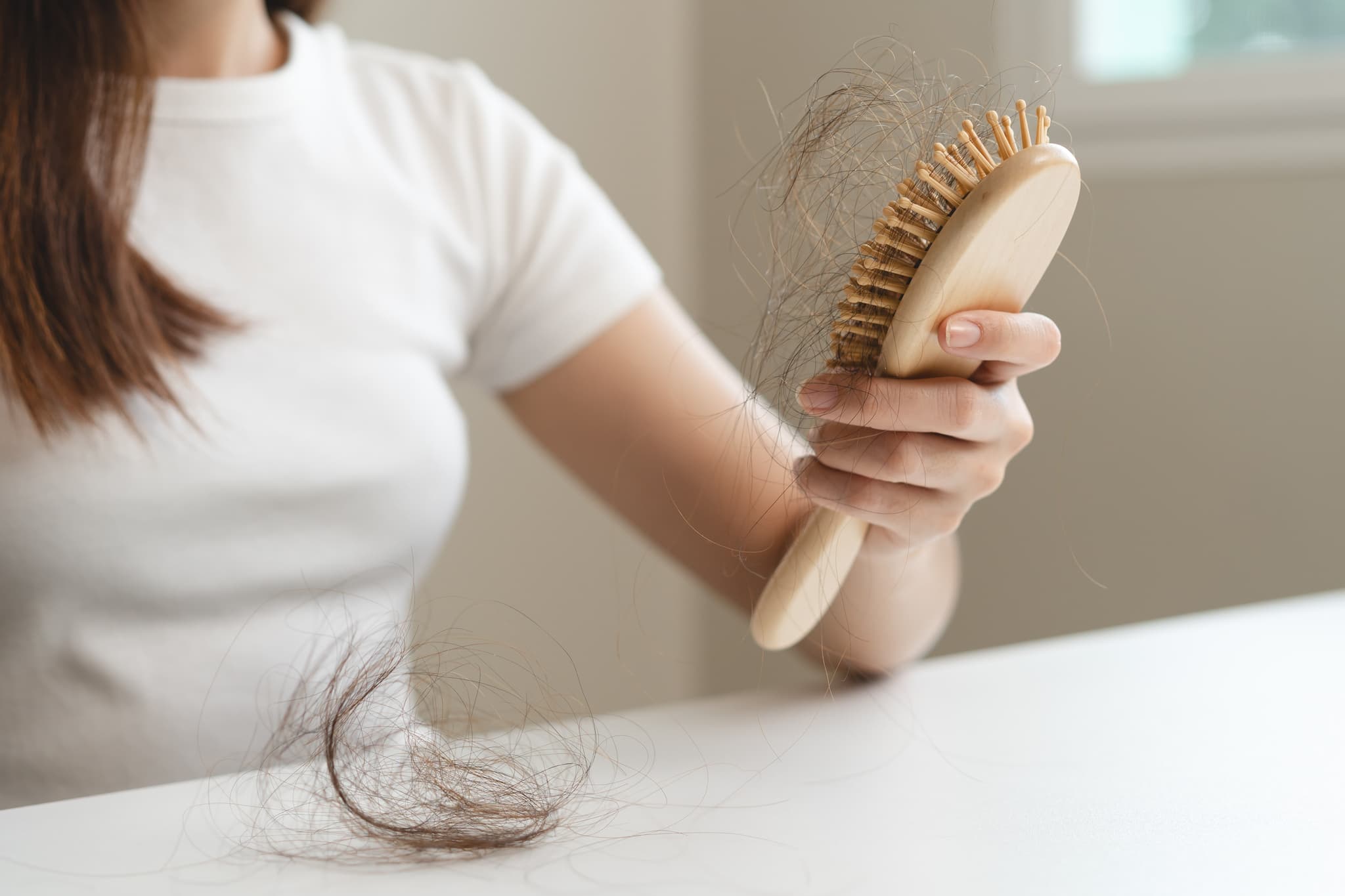
If you’ve recently had a baby and feel like you’re finding hair everywhere—on your pillow, in the shower, on your clothes, and wrapped around your baby’s fingers—you are not alone.
As a hairdresser, postpartum hair loss is one of the most common concerns I hear from new mums.
The good news? In most cases, postpartum hair loss is completely normal and temporary.
The frustrating part? There is a lot of conflicting advice online about what actually works.
Let’s talk about what postpartum hair loss really is, why it happens, and the simple steps I recommend supporting healthy hair growth naturally.
 ⸻
⸻
What Is Postpartum Hair Loss?
Postpartum hair loss, also known as postpartum shedding, is the excessive hair shedding many women experience after having a baby.
During pregnancy, increased estrogen levels keep more hairs in the growing phase for longer. This is why many women notice thicker, fuller hair while pregnant.
After birth, hormone levels return to normal and those extra hairs begin to shed.
This usually starts around 2–4 months postpartum and can continue for several months.
Common signs of postpartum hair loss:
* Excessive hair shedding in the shower
* Hair falling out when brushing
* Hair thinning around the temples
* A wider part line
* Reduced hair volume
* Fine “baby hairs” appearing during regrowth
⸻
How Long Does Postpartum Hair Loss Last?
For most women, postpartum hair shedding peaks between 3–6 months after birth.
Hair growth often starts to recover naturally between 6–12 months postpartum.
However, if you’re experiencing significant thinning, ongoing shedding, scalp irritation, or hair loss beyond 12 months, it’s worth speaking with your healthcare provider to rule out factors such as:
* Low iron levels
* Thyroid issues
* Nutritional deficiencies
* Stress-related hair loss
* Hormonal imbalances
⸻
What Actually Works for Postpartum Hair Loss?
After working with hundreds of women experiencing hair thinning and postpartum shedding, these are the strategies I consistently recommend.
1. Focus on Scalp Health First
Healthy hair starts with a healthy scalp.
Many people focus entirely on the hair strands while ignoring the environment where hair grows.
A healthy scalp can support stronger, healthier-looking hair over time.
Look for ways to:
* Keep the scalp clean
* Gently exfoliate buildup
* Support circulation through massage
* Avoid harsh products that may irritate the scalp
⸻
2. Use Rosemary Oil Consistently
Rosemary oil has become one of the most talked-about natural ingredients for supporting hair growth—and for good reason.
Research suggests rosemary oil may help support scalp circulation and healthy hair growth when used consistently over time.
The key word is consistency.
One treatment won’t change anything. Hair growth is a long game.
For best results:
* Apply rosemary oil to the scalp 1–2 times per week
* Massage gently into the scalp
* Leave on for 30 minutes to 4 hours
* Wash thoroughly
Consistency over several months is where many women start noticing improvements.
⸻

Why I Created an Organic Rosemary Hair & Scalp Oil
As a low-tox hairdresser, I struggled to find a rosemary oil that aligned with my values.
Many products contained:
* Synthetic fragrance
* Fillers
* Artificial ingredients
* Poor-quality carrier oils
I wanted something simple.
That’s why I created our Organic Rosemary Hair & Scalp Oil using only:
* Organic Rosemary Essential Oil
* Organic Jojoba Oil
* Organic Castor Oil
Nothing else.
No fillers.
No synthetic fragrance.
No unnecessary ingredients.
Just three certified organic ingredients chosen to support a healthy scalp environment.
3. Scalp Massage Matters
One of the simplest things you can do at home is regular scalp massage.
Scalp massage may help:
* Support circulation
* Reduce scalp tension
* Encourage a healthy scalp environment
Even 3–5 minutes during your oil treatment can make a difference.
Many of our customers pair their oil treatment with a scalp brush for a gentle exfoliating massage.
⸻

4. Be Gentle With Your Hair
Postpartum hair is often more fragile than usual.
Try to avoid:
* Tight hairstyles
* Excessive heat styling
* Aggressive brushing
* Heavy teasing
Instead:
* Wear loose hairstyles
* Use a wide-tooth comb
* Choose gentle hair ties
* Prioritise scalp health over styling
⸻
5. Support Hair Growth From Within
Hair growth relies on overall health.
While there is no miracle supplement that instantly stops postpartum shedding, ensuring adequate nutrition is important.
Speak with your healthcare provider if you are concerned about:
* Iron levels
* Vitamin D
* Thyroid function
* Overall nutritional status
⸻
The Truth About Postpartum Hair Growth
The biggest mistake I see?
Expecting instant results.
Hair grows slowly.
Most women start noticing small regrowth hairs before they notice increased thickness.
The goal isn’t an overnight transformation.
The goal is creating a healthy scalp environment and staying consistent long enough to support healthy hair growth over time.
⸻
Looking for a Natural Postpartum Hair Loss Routine?
If you’re navigating postpartum hair shedding and looking for a simple, low-tox hair care ritual, our Organic Rosemary Hair & Scalp Oil was created with exactly that in mind.
✓ Made with certified organic ingredients
✓ Free from fillers and synthetic fragrance
✓ Designed to support a healthy scalp
✓ Suitable for weekly scalp rituals
Because healthy hair starts at the scalp.
⸻
Frequently Asked Questions
Does rosemary oil help postpartum hair loss?
Research suggests rosemary oil may help support healthy hair growth and scalp circulation when used consistently over time.
How often should I use rosemary oil for postpartum hair loss?
We recommend 1–2 times per week, leaving it on for 30 minutes to 4 hours before washing.
Can postpartum hair loss be prevented?
Postpartum shedding is a normal hormonal process and cannot always be prevented. However, supporting scalp health and overall wellbeing may help create the best environment for healthy hair growth.
When should I see a doctor about postpartum hair loss?
If hair loss is severe, continues beyond 12 months postpartum, or is accompanied by other symptoms such as fatigue or significant thinning, speak with your healthcare provider.
⸻
Ready to start your healthy hair journey?
Discover our Organic Rosemary Hair & Scalp Oil and create a simple weekly ritual that supports a healthy scalp and healthy-looking hair growth—naturally. 🌿

